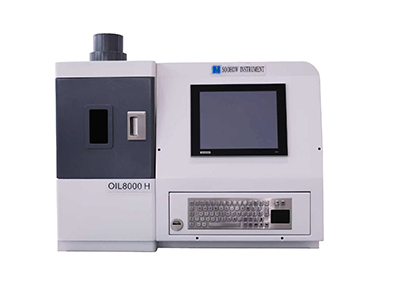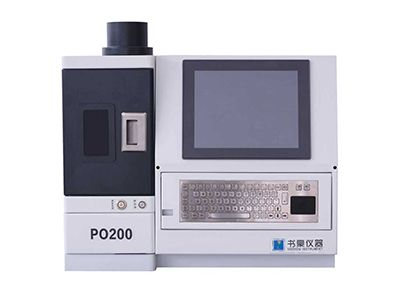
Oil Spectrometers
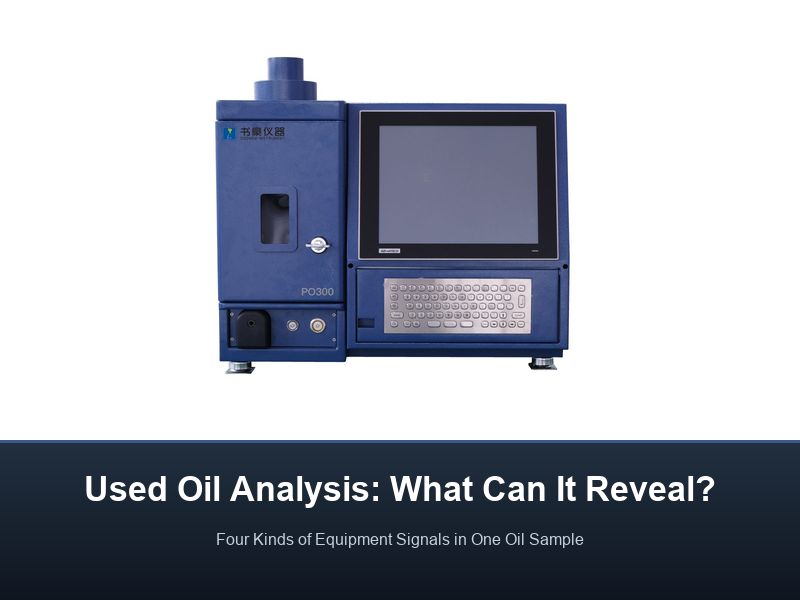
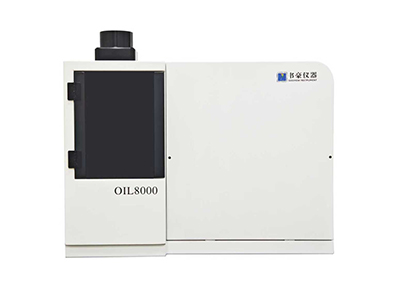
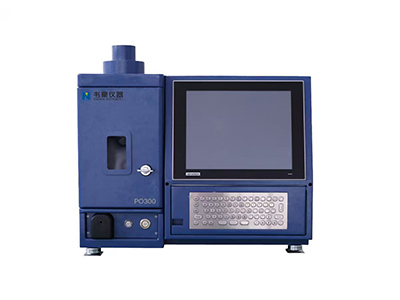
Today we will delve into the applications and benefits of oil spectrometers (typically referring specifically to oil emission spectrometers, particularly rotary disk electrode atomic emission spectrometers).
This instrument is specifically designed to analyze wear metals, contaminants, and additive elements in lubricating oils (or hydraulic fluids) used in mechanical equipment, serving as a core tool for equipment condition monitoring and predictive maintenance.
I. Applications of Oil Spectrometers
Oil spectrometers primarily assess equipment health by analyzing the composition and concentration of elements within lubricating oils. Their main applications are as follows:
1. Wear Monitoring
This is the core application. By tracking metal elements shed from component wear, it precisely identifies which internal machine parts are experiencing wear.
a Iron: Typically originates from wear on steel and cast iron components such as cylinder liners, piston rings, gears, and bearing rings.
b Aluminum: Typically originates from wear on lightweight components like pistons, bearing bushings, and housings.
c Copper: Typically originates from wear on copper alloy components such as bearing retainers, bushings, and oil coolers.
d Chromium: Typically from wear on chrome-plated rings, rolling bearings, and alloy steel components.
d Tin, Lead: Typically from wear on Babbitt bearings (white metal) or solder.
e Silver: Occurs in certain specific types of bearings or bushings.
By tracking trends in the concentration levels of these elements, oil spectrometers can detect abnormal wear at an early stage.
2. Contamination Monitoring
Contaminants in lubricants are a primary cause of equipment wear. Spectrometers can detect elements indicative of external contamination.
a Silicon: The most critical contamination indicator. Typically signifies dust ingress (air filter issues) or sand contamination. High silicon concentrations significantly accelerate wear.
b Sodium, Boron: May indicate coolant (antifreeze) leakage into the oil.
c Potassium: Also potentially linked to coolant contamination or road de-icing agents.
3. Additive Monitoring
Lubricants contain various chemical additives to enhance performance. Monitoring their levels assesses oil quality and effective lifespan.
a Calcium, Magnesium, Zinc, Phosphorus: Common lubricant additive elements (e.g., detergents, dispersants, anti-wear agents).
b Abnormally Low Concentrations: Indicates additive depletion; oil requires replacement.
c Abnormally elevated concentration: May indicate incorrect mixing of different oil grades.
4. Oil Deterioration Monitoring
While spectrometers do not directly measure chemical degradation, indirect indicators can assist in assessment.
For example, metal particles (e.g., copper, iron) act as oxidation catalysts; their concentration correlates with oil oxidation rate.
II. Benefits of Oil Spectrometers
The benefits of implementing oil spectral analysis for enterprises are substantial and quantifiable, primarily manifested in:
1. Enabling Predictive Maintenance to Avoid Unplanned Downtime
a Core Benefit: Traditional scheduled maintenance (repairing equipment regardless of condition when time is up) or corrective maintenance (repairing only after failure) incurs high costs. Spectral analysis enables predictive maintenance—precisely scheduling repairs based on oil data during the early stages of failure, before equipment performance degrades.
b. Outcome: Drastically reduces unplanned downtime caused by sudden failures, ensuring production continuity.
2. Extends equipment lifespan
By identifying and eliminating the root causes of abnormal wear (such as contamination or inadequate lubrication) at an early stage, the rate of equipment deterioration is significantly slowed. This substantially extends the service life of critical components like engines, transmissions, and hydraulic systems.
3. Reduce Maintenance Costs
a. Precision Maintenance: Addressing issues early typically requires replacing only a few components. Waiting until complete failure can trigger a “chain reaction,” causing further damage and leading to exponentially higher repair costs and complexity.
b. Avoid Over-Maintenance: Eliminates “unnecessary” disassembly and part replacements when equipment remains functional, saving labor and spare parts expenses.
4. Enhance Operational Safety
In critical sectors like aviation, shipping, mining, and power generation, sudden equipment failure can trigger severe safety incidents. Oil spectral analysis provides vital safety warnings for such critical assets.
5. Optimize Lubricant Change Intervals
Determine oil change timing based on actual contamination levels and additive depletion, rather than rigidly adhering to fixed schedules. This prevents waste from premature oil changes while avoiding equipment damage caused by continued use of degraded oil.
6. Providing Objective Diagnostic Basis
Spectral data is quantitative and objective, eliminating uncertainties from subjective experience-based judgments. It delivers robust data support for maintenance decisions, making maintenance management more scientific.
Summary
Oil spectrometers function like “blood tests” for mechanical equipment. By analyzing lubricating oils, they reveal the unseen health status within machinery. Their value lies not in the instruments themselves, but in the revolutionary shift they bring to maintenance philosophy—from reactive repairs to proactive prediction.
Investing in oil spectral analysis is fundamentally a strategic investment in equipment reliability, production efficiency, and overall operational costs. For enterprises with large fleets of expensive critical equipment—such as mining operations, shipping fleets, power plants, and transportation companies—it is an indispensable modern management tool.